5 Ways SEO and Social Media Marketing Support Each Other
Learn how social and SEO go hand in hand
 Samantha Rupert


Marketers may feel like social media and SEO are in competition for their share of the marketing budget, but the truth is that both channels can play a role in strengthening each other.
Social media can give your SEO strategy a boost, and improved SEO results can lead more people to your social feeds. A good marketing strategy should include a plan to use both channels to get better results all around. If you’re not sure how to do that, these five strategies are a good place to start.
1. Use social media to drive people to your website.
While Google isn’t upfront about every item on the long list of ranking factors they use to determine a website’s authority, most SEO professionals believe website traffic plays a role. Research from Cognitive SEO backs this up. When one of their blog posts got picked up by Reddit, it drove a huge amount of traffic to the website. That same day, their ranking for a competitive keyword (“google images”) flew from page eight to page one.
When people come to your website, Google takes notice. But people can only visit pages they know about. When you publish new content on your website, promote it to your followers on social media. If you don’t have much of a following yet, consider paying for ads on social media to get more clicks.
Over time, sharing your great content on your social media feeds will do more than increase your traffic: it will also help you build up authority.
Over time, sharing your great content on your social media feeds will do more than increase your traffic: it will also help you build up authority. When people see your website as a trusted source, they’re more likely to share your stuff and link back to it. That’s the long game version of how promoting your content on social media can improve SEO. Traffic today can help; authority in the months and years to come helps more.
You can also use your website to help drive more interaction with your social channels so your SEO boosts your social efforts. Make sure all of your social profiles are easy for visitors to find if they want to follow you. And encourage people who read your content to share it. Use click-to-tweet software to make shares especially easy.

Other people sharing your content can help you gain both shares and traffic. It’s a marketing win all around.
2. Build content around social media engagement.
Crowdsourcing content can both make the content creation process easier and get more of your followers actively engaged with your content. Social media channels provide a number of tools you can use to get input from your followers that you can repurpose into content on your website.
Both Twitter and Facebook make it easy to set up polls for your followers. You can incorporate the answers they provide into relevant blog posts. They can lend credence to the arguments you make, while also giving the poll participants more of a reason to care about the post.

Most social media platforms also provide easy-to-use embed codes for including status updates in your blog posts as well. Incorporating the social media comments of your followers and influencers in your industry can make your posts stronger and give the people you mention an incentive to share the posts with their own networks.
Building content around social engagement puts your audience at the center of your content and helps you create a sense of community on your website. That can help lead to more shares, links, and traffic – all of which help boost SEO.
3. Learn what your audience is talking about with social media.
A good SEO strategy requires trying to get inside the heads of your target audience. Keyword research is all about learning what language they use and the topics they’re interested in. Social media is another rich source for learning about the questions your audience has, the topics they’re interested in, and the things they complain about.
Spend time on social media looking over what your followers are posting and the language they use.
Spend time on social media looking over what your followers are posting and the language they use. Then use that information to better shape your SEO strategy. You may be able to pull more accurate keywords from social media research, and you can find good topics to cover in your content that you know your audience is interested in.
A lot of audience research depends on third-party sources that aggregate data. Social media is one of the best ways to directly tap into what your audience is doing and saying.
4. Use SEO analytics to help shape your social media strategy.
Just like social media research can improve your SEO strategy, your SEO analytics offer important information you can put toward your social media strategy. Several types of data you collect to measure your SEO results apply here, including:
-
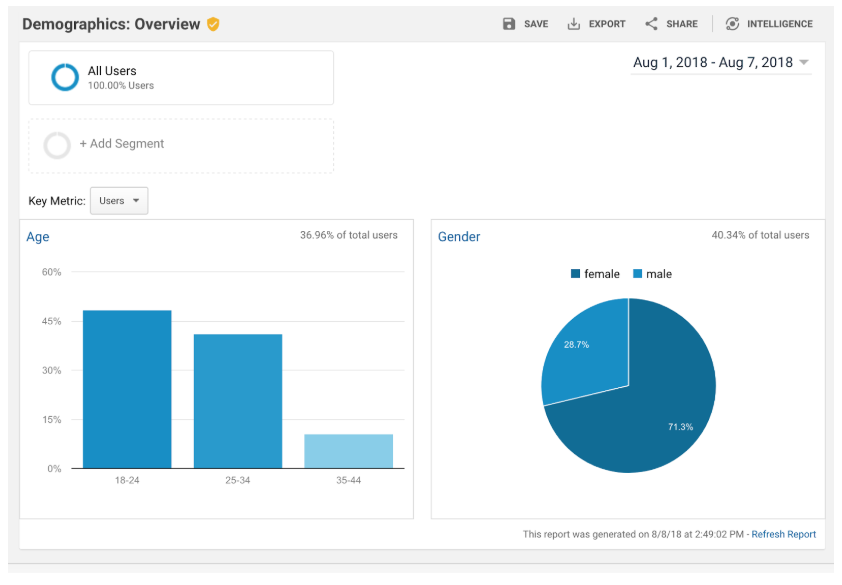
Audience data. Google Analytics provides information on the demographics of your visitors, as well as their interests. Knowing information like gender, age and other topics your visitors like will help you make sure your social media is geared toward the right audience.
-
The pages that get the most views and engagement. Google Analytics also provides detailed data about which pages on your website people visit the most often, and how long they spend on the site once there. When you know what content your audience likes most, you can make sure your social shares reflect those interests.
-
Conversion data. Knowing what content your audience likes matters, but it’s even more important to know the types of content that ultimately get the main results you want. In Google Analytics you can track conversions such as purchases, email signups or form submissions. The content that most often leads to conversions should get shared more often, and the types of followers it attracts should be especially valued in how you craft your social strategy.
5. Connect with influencers and website owners on social sites.
Social media is all about relationships, and a lot of what results in good SEO is also tied to relationships. You’ll get more visits and links if people know and care who you are. Reputation goes a long way with SEO.
You can use social media to interact with influencers in your industry – getting on their radar is the first step to an eventual collaboration or relationship.
Social media is a prime tool for making the connections that help. You can use social media to interact with influencers in your industry – getting on their radar is the first step to an eventual collaboration or relationship. You can use social media to reach out to relevant contacts to request help promoting pieces you’re especially proud of. And you can use it to start connecting with the bloggers and website owners in your industry so you’re not cold contacting them when you do link building outreach.
You can also turn to your social media connections when you need sources for your content. Frequently, someone that’s mentioned as an expert source in a piece will share it with their own networks, spreading the reach of your content.
By thoughtfully using social media for its main purpose – making connections – you can forward your SEO efforts.
For social media and SEO to support each other, you need to be strategic in your approach. More collaboration between your social and SEO teams can only benefit both. Start approaching your plan for each with the other in mind so you can make your marketing efforts go further.
Have any questions about social and SEO? Ask them in the comments!