Creating a Great Email Newsletter for Your Ecommerce Business
Email newsletters are a great way to keep existing and potential customers aware of and engaged with your business. We cover the necessary steps for creating a valuable newsletter
 Volusion

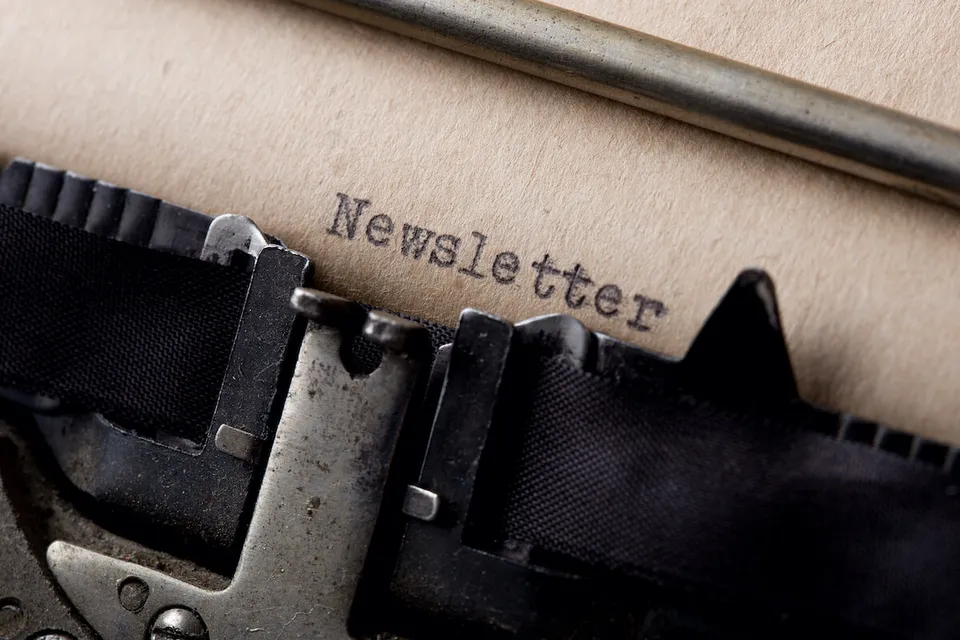
Email newsletters have become the cornerstone of many great content marketing campaigns. These regularly distributed communications are used by businesses to share interesting content related to the company itself and the industry it falls under with current and potential customers. Despite their popularity and importance in maintaining brand recall and authority, it’s surprising how many bad examples show up in our inboxes every week. Below, we cover how to create and deliver an effective email newsletter.
1. Know Your Audience
The first step you’ll want to take is to define your audience. This is critical to creating relevant messages that they will actually be interested in receiving and reading. If you have a variety of customers with different interests, desires, or decision stages, consider creating separate newsletters for each. You can always reuse content across these newsletters, but each one should be tailored to the specific needs of its audience.
2. Create a Schedule
Once you know who you’re trying to reach, you can decide on a schedule—not just when you’ll send, but how often. If you’re just getting started, plan for once a month and then reassess your schedule after a few newsletters have gone out. If your monthly newsletters are too long, try breaking them up into weekly or bi-weekly sends. If you don’t have enough time or content for a weekly newsletter, try sending one out monthly.
Once you find a schedule that works best for you and your customers, be consistent. If you can, send your newsletter out on the same days and at the same times so your customers know when to expect them. The “best day” and “best time” can vary by audience demographics and industry type, so test a few options as you start out and monitor the results to determine what will work best for your business.
3. Choose a Delivery Method
Once you know the who and the when, it’s time to figure out how to send your newsletter. Most ecommerce platforms partner with a variety of email marketing services that make creating lists and sending newsletters easy. (Volusion merchants enjoy a newsletter feature built into their ecommerce platform!) If you are looking for a newsletter tool, here are a few popular options:
- Klaviyo: This tool lets you deliver amazing experiences across email and other owned channels. Pricing varies based on your list size.
- Campaign Monitor: This tool offers straightforward email marketing and automation tools with free templates and complete customization. Pricing starts at $9/month.
- HubSpot: This tool allows you to easily create, personalize, and optimize marketing emails. HubSpot offers a free option with advanced features starting at $45/mo.
4. Invest in Your Design
The best way to ensure that an opened email actually gets read is by delivering the content using an attractive design that is easy to read through. Many email marketing platforms offer free or affordable design templates that can help you create a great-looking newsletter. Just make sure to not go over-the-top with your design—when in doubt, simpler is always better.
5. Create Great Content
The first step of content planning is to make sure you’re creating something worth sending, reading, and sharing. Some great content examples include new product announcements, interesting customer stories, how-to videos, photo galleries, or anything you feel like sharing. The key here is to avoid the hard sell—focus more on interacting and sharing, and less on selling. Nobody wants blatant sales pitches in their inbox every week, and they’ll respond by unsubscribing.
If you’ve created separate lists or interest groups, honor them. Keep your content on topic and to the point. You can repurpose content from your website, blog, or social media pages,but make sure it’s meaningful to that audience—don’t just add things to add them.
Lastly, remember that you don’t have to create all of the content yourself. If you read a great article from an industry resource or get an interesting story from a customer, share that in your newsletter. Just make sure you maintain a balance between creation and curation—many readers will be turned off if all of your content comes from somewhere else.
6. Promote & Share
If you do all the preceding steps right, your email list should grow consistently and organically over time. But that doesn’t mean you have to sit around and wait for it—you can promote it yourself to increase readership. Place a prominent callout on your site inviting visitors to sign up for your newsletter with a brief description so users know what to expect. You can also include a link in your order confirmation pages or emails to invite customers to sign up. Within the newsletter itself, be sure to include links that let subscribers share articles and posts with their friends through social media and email.
7. Measure & Refine
How will you know how your newsletter is performing if you don’t measure its results? Use statistics like open rates, clicks, and bounce rate to figure out what’s working and what isn’t.
- Open Rates: You can use this metric to determine the best days and times to send you newsletters. If more users are opening your emails in the afternoons than mornings or evenings, try to time your communications for maximum effect. This can also help you determine whether your subject lines are effective or should be adjusted. Low open rates could also indicate that you are hitting spam filters instead of inboxes.
- Clicks: Include links to different pages or products throughout your newsletter, then track which ones are clicked the most. This will help you understand which types of content, topics, and messages get the most response. If you find that certain topics are shared and opened more, consider creating more content around those topics.
- Bounce Rates: This metric can help you identify potential problems with your email list. If a lot of emails are bouncing, it means that your customer list may contain a lot of old email addresses or that your subscribe function is being abused by bots.
Final Thoughts
Whether you already have an email newsletter in circulation or you’re just getting started, these strategies will help you create emails that your customers will be excited to open, read, and share. Test different send times, content, and promotional measures to find the best combination and render your newsletter a success.